


In the vast expanse of the agricultural industry, a wide array of part types plays a crucial role in keeping the wheels of farming turning smoothly. As a part type supplier, I've had the privilege of witnessing firsthand how these components contribute to the efficiency and productivity of agricultural operations. In this blog, I'll delve into some of the key part types used in the agricultural industry and how they impact the sector.
Engine Parts
Let's start with the heart of many agricultural machines - the engine. Engines in tractors, combines, and other farm equipment require a variety of parts to function properly. Pistons, for example, are essential for converting the energy from fuel combustion into mechanical motion. They move up and down inside the cylinders, driving the crankshaft and ultimately powering the vehicle or equipment. Connecting rods link the pistons to the crankshaft, transferring the force generated by the pistons.
Cylinder heads are another critical engine part. They sit on top of the cylinders and house the valves, spark plugs (in gasoline engines), and fuel injectors. The valves control the intake of air and fuel and the exhaust of combustion gases. A well - functioning cylinder head is vital for efficient engine performance.
As a supplier, I offer high - quality engine parts made from durable materials. These parts are designed to withstand the harsh conditions of agricultural work, such as dust, heat, and vibration. Whether it's a small - scale farm or a large commercial operation, having reliable engine parts can significantly reduce downtime and maintenance costs.
Transmission Parts
Transmission systems in agricultural machinery are responsible for transferring power from the engine to the wheels or other working components. Gears are the most fundamental part of a transmission. They come in different sizes and tooth configurations to provide various gear ratios, allowing the operator to adjust the speed and torque of the machine according to the task at hand.
Clutches are also important in the transmission system. They engage and disengage the power flow between the engine and the transmission. This is useful when starting, stopping, or shifting gears. A worn - out clutch can lead to difficulty in shifting and reduced power transfer efficiency.
As a part type supplier, I understand the importance of precision in transmission parts. That's why I source and supply transmission components that are precisely machined to ensure smooth operation. These parts are tested to meet the high standards required in the agricultural industry.
Hydraulic Parts
Hydraulic systems are widely used in agricultural equipment for tasks such as lifting, steering, and operating attachments. Hydraulic cylinders are the workhorses of these systems. They convert hydraulic pressure into linear motion, allowing for the lifting and lowering of heavy loads, like the buckets on a front - end loader or the plows on a tractor.
Pumps are responsible for generating the hydraulic pressure. They draw in hydraulic fluid from a reservoir and force it into the system at high pressure. Valves control the flow and direction of the hydraulic fluid. There are different types of valves, such as control valves, relief valves, and check valves, each with a specific function.
I offer a range of hydraulic parts, including cylinders, pumps, and valves. These parts are made from materials that are resistant to corrosion and wear, ensuring long - term performance in the often - wet and dirty agricultural environment.
Cutting and Harvesting Parts
In the harvesting process, cutting and harvesting parts are of utmost importance. For example, in a combine harvester, the cutting platform is equipped with sharp blades that cut through the crops. These blades need to be extremely sharp and durable to cut through thick stalks efficiently.
Threshing components are also crucial in a combine. They separate the grain from the straw and chaff. The threshing drum rotates at high speed, beating the crops to loosen the grain. Concaves and sieves are used to further separate the grain from the other materials.
As a supplier, I provide cutting and harvesting parts that are designed for maximum efficiency. Whether it's a new blade for a small - scale sickle or a complete threshing system for a large combine, I have the parts to meet the needs of different harvesting operations.
Titanium Parts in Agriculture
Titanium is a material that has gained popularity in the agricultural industry due to its excellent properties. Titanium Solid Of Revolution Parts are used in various applications. These parts are often used in components that require high strength and corrosion resistance. For example, in irrigation systems, titanium solid of revolution parts can be used in pumps and valves to withstand the corrosive effects of water and fertilizers.
Titanium Connectors and Fasteners are also essential in agricultural machinery. They are used to join different components together securely. Titanium's high strength - to - weight ratio makes these connectors and fasteners ideal for applications where weight reduction is important, such as in the construction of lightweight agricultural trailers.
Titanium Irregular Parts and Non - standard Parts are custom - made to fit specific agricultural equipment requirements. Whether it's a unique bracket or a specialized housing, titanium can be machined into the desired shape. These parts offer the same benefits of strength and corrosion resistance as other titanium components.
Pneumatic Parts
Pneumatic systems are used in some agricultural applications, such as seeders and grain conveyors. Air compressors are the main component of a pneumatic system. They generate compressed air, which is then used to power various pneumatic tools and devices.
Air cylinders are similar to hydraulic cylinders but use compressed air instead of hydraulic fluid. They are used for tasks like opening and closing gates in a grain storage facility or actuating valves in a pneumatic conveying system.
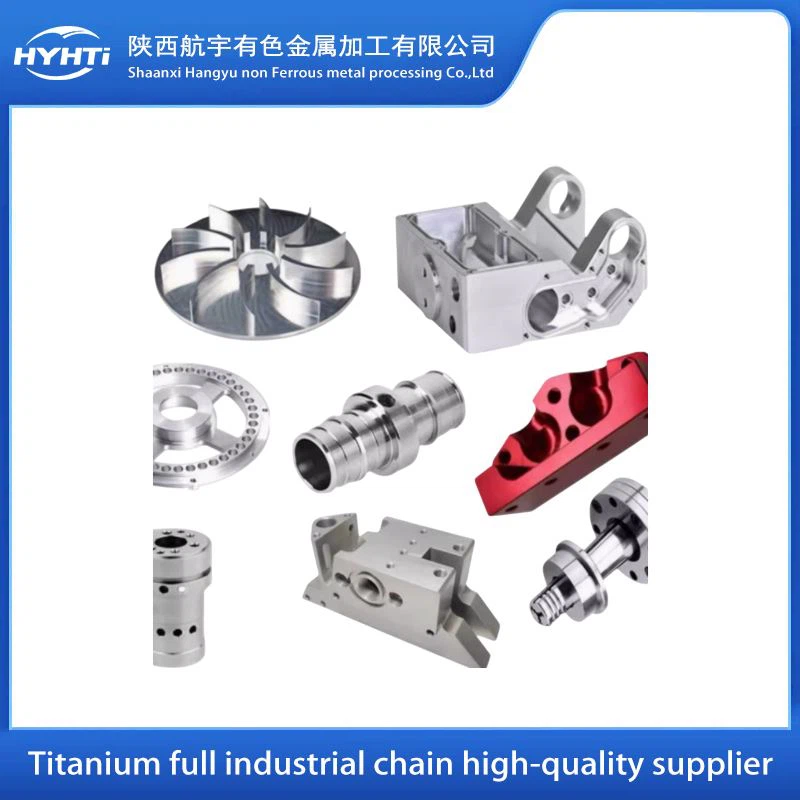

As a supplier, I offer a selection of pneumatic parts that are designed for reliable operation. These parts are built to handle the constant cycling and pressure changes associated with pneumatic systems.
Electrical Parts
In modern agricultural machinery, electrical systems play a vital role. Batteries are used to start the engine and power the electrical components, such as lights, gauges, and control systems. Alternators are responsible for charging the battery while the engine is running.
Sensors are another important type of electrical part. They are used to monitor various parameters in the machine, such as engine temperature, oil pressure, and fuel level. The data from these sensors is sent to the control unit, which can then adjust the operation of the machine accordingly.
I supply a range of electrical parts that are designed to be compatible with different types of agricultural equipment. These parts are tested for reliability and performance to ensure that the electrical systems in the machinery work smoothly.
Why Choose Me as Your Part Type Supplier?
As a part type supplier, I pride myself on offering a wide range of high - quality parts at competitive prices. I have a team of experts who can provide technical support and advice on choosing the right parts for your specific agricultural needs. Whether you need a single replacement part or a complete set for a new machine, I can meet your requirements.
My inventory is regularly updated to ensure that I have the latest and most in - demand part types. I also work closely with manufacturers to source parts that meet or exceed industry standards.
If you're in the agricultural industry and are looking for reliable part types, I encourage you to reach out. I'm here to help you keep your agricultural machinery running at its best. Contact me to start a procurement discussion and find out how I can support your farming operations.
References
- Smith, J. (2020). Agricultural Machinery: Principles and Practices. Publisher Name.
- Johnson, R. (2019). Handbook of Agricultural Engineering. Another Publisher.


