

The main reasons why titanium alloys are difficult to machine include their low thermal conductivity, high cutting temperatures, rapid tool wear, and elastic deformation during machining.
1. Low Thermal Conductivity
The thermal conductivity of titanium alloys is only 1/7 that of steel and 1/16 that of aluminum. This means that the heat generated during cutting cannot dissipate quickly, causing the temperature in the cutting zone to rise rapidly, potentially exceeding 1000°C. Such high temperatures can lead to rapid tool wear and chipping, shortening the tool's service life.
2. High Cutting Temperature
Because the heat is concentrated in the cutting area, the tool edge is easily affected by high temperatures, which can degrade the performance of the tool material, affecting machining accuracy and the surface integrity of the part. High temperatures can also trigger work hardening, reducing the fatigue strength of titanium alloys and impacting the performance of the components.

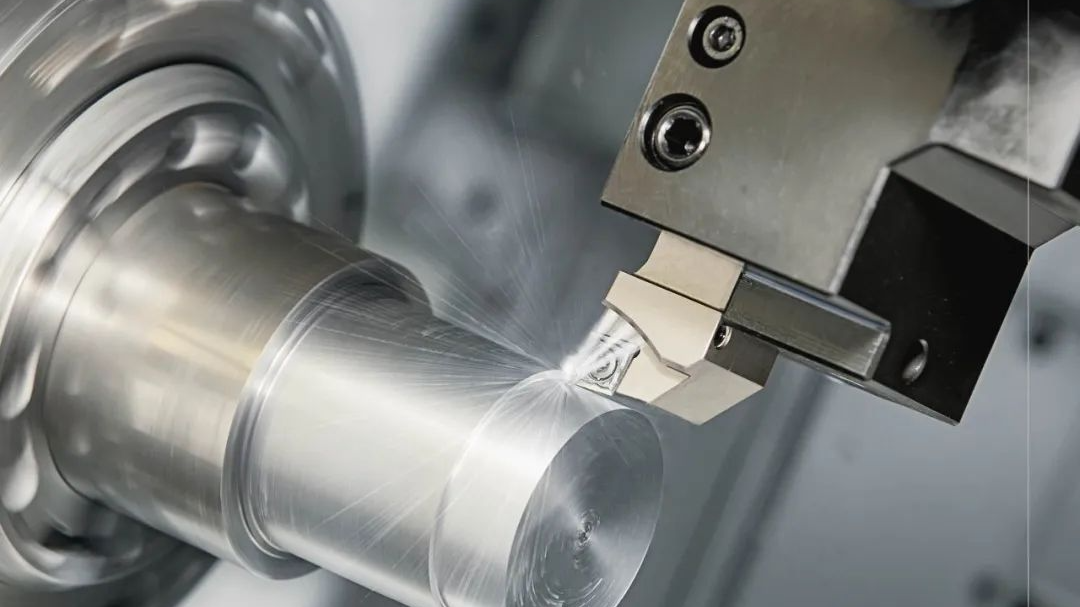
3. Rapid Tool Wear
Titanium alloys are chemically reactive and can easily react with tool materials, causing coating delamination or accelerated wear. Therefore, when machining titanium alloys, it is usually necessary to use carbide tools or specific high-speed steel tools to handle high temperatures and heavy cutting loads.
4. Elastic Deformation
Titanium alloys have a relatively low modulus of elasticity, which makes them prone to elastic deformation during machining, especially when processing thin-walled or ring-shaped parts. This deformation increases the strength and hardness of the material at the cutting point, further increasing cutting pressure, the friction between the tool and the workpiece, and generating more heat.
In summary, the difficulty in processing titanium alloys mainly stems from their physical and chemical properties, which together create challenges during machining. Therefore, appropriate technologies and tools need to be used in the processing of titanium alloys to improve machining efficiency and the quality of the parts.


